
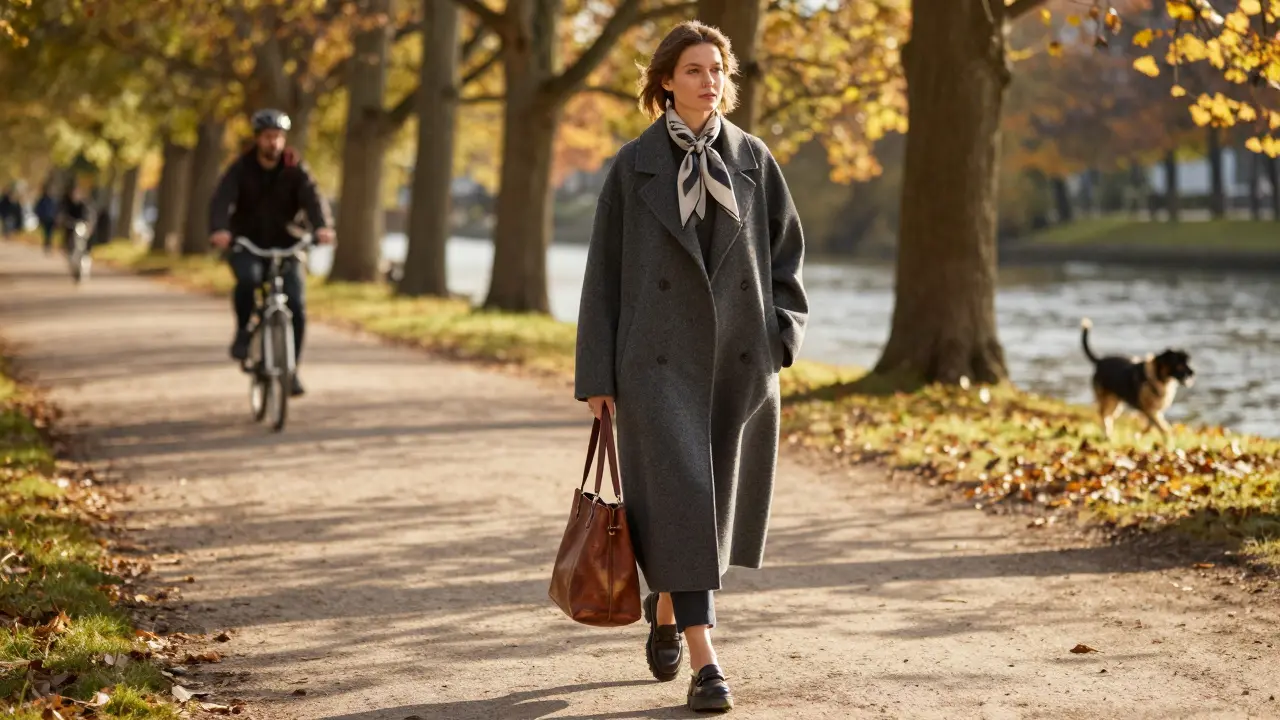
You’ve seen them-walking past Marienplatz with oversized sunglasses and perfectly worn-in leather jackets, sipping espresso in the back of a design store in Schwabing, or laughing under the Christmas lights at the Viktualienmarkt. They’re not just pretty faces. They’re the living embodiment of Munich’s quiet, confident, and deeply stylish edge. These aren’t the glossy, airbrushed models you see in Paris or Milan. These are Munich babes-real, grounded, and effortlessly cool.
What Makes a Munich Babe Different?
Let’s clear this up right away: a Munich babe isn’t defined by how much skin she shows or how loud her outfit is. It’s the opposite. It’s about what she leaves out. Think minimalist tailoring, neutral tones with one bold accent, and shoes that look like they’ve walked through the Englischer Garten at least twice. This isn’t fashion for attention. It’s fashion for comfort that still turns heads.
Look at the streets around Sendlinger Tor on a Tuesday afternoon. You’ll see women in wool coats from local designers like Staud or Wunderkind, paired with chunky loafers and no visible logos. Their hair is messy in a way that looks intentional. Their makeup? Barely there. Their confidence? Unshakable. This isn’t just style-it’s a cultural code. In Munich, looking put-together doesn’t mean looking expensive. It means looking like you know exactly who you are.
Why Munich’s Fashion Scene Feels Different
Unlike Berlin’s experimental chaos or Hamburg’s coastal minimalism, Munich’s fashion has roots in tradition-but it’s not stuck in it. The city’s wealth, its strong artisanal heritage, and its love for the outdoors all blend into something unique. You’ll find women wearing Lederhosen-style skirts with combat boots. Or silk blouses tucked into high-waisted trousers, paired with hiking socks and Birkenstocks. It’s practical. It’s poetic. It’s deeply Bavarian, yet totally global.
Local brands like Atelier Mühle and Leitmotiv have built cult followings by using sustainable wool from the Alps and dyeing fabrics with natural pigments. These aren’t just clothes. They’re heirlooms in the making. And the women who wear them? They’re not chasing trends. They’re setting them.
Where to Spot True Munich Babes
If you want to see the real thing, skip the tourist traps. Head to:
- Schwabing-especially on weekends. Cafés like Café Vögele and Die Kantine are full of artists, designers, and writers who dress like they just stepped out of a Wes Anderson film.
- Maxvorstadt-home to the Academy of Fine Arts and the Pinakothek museums. Here, you’ll find women in vintage 90s denim and oversized men’s blazers, carrying art books under their arms.
- Lehel-a quiet, upscale neighborhood where mothers in cashmere sweaters and leather loafers drop their kids at school before heading to their architecture firms.
- Englischer Garten-on a sunny afternoon, you’ll see women jogging in leggings made from recycled ocean plastic, their hair tied back with a silk scarf.
These aren’t models. They’re neighbors. Teachers. Architects. Chefs. And yes-some of them work in fashion, but not because they want to be seen. They care about craft, not clout.
The Quiet Power of Munich’s Beauty Standards
There’s no pressure here to be thin, tan, or tattooed. Munich babes come in all shapes. You’ll see women with short grey hair and no makeup. You’ll see women with full beards and tailored suits. You’ll see women in wheelchairs wearing silk dresses from local designers. The standard isn’t about perfection. It’s about authenticity.
A friend who moved here from Los Angeles told me: “In L.A., you dress to impress. In Munich, you dress to feel like yourself.” That’s the difference. It’s not about being noticed. It’s about being understood.
How to Emulate the Munich Babe Look (Without Trying Too Hard)
You don’t need to move to Germany to steal this vibe. Here’s how to bring a little Munich into your wardrobe:
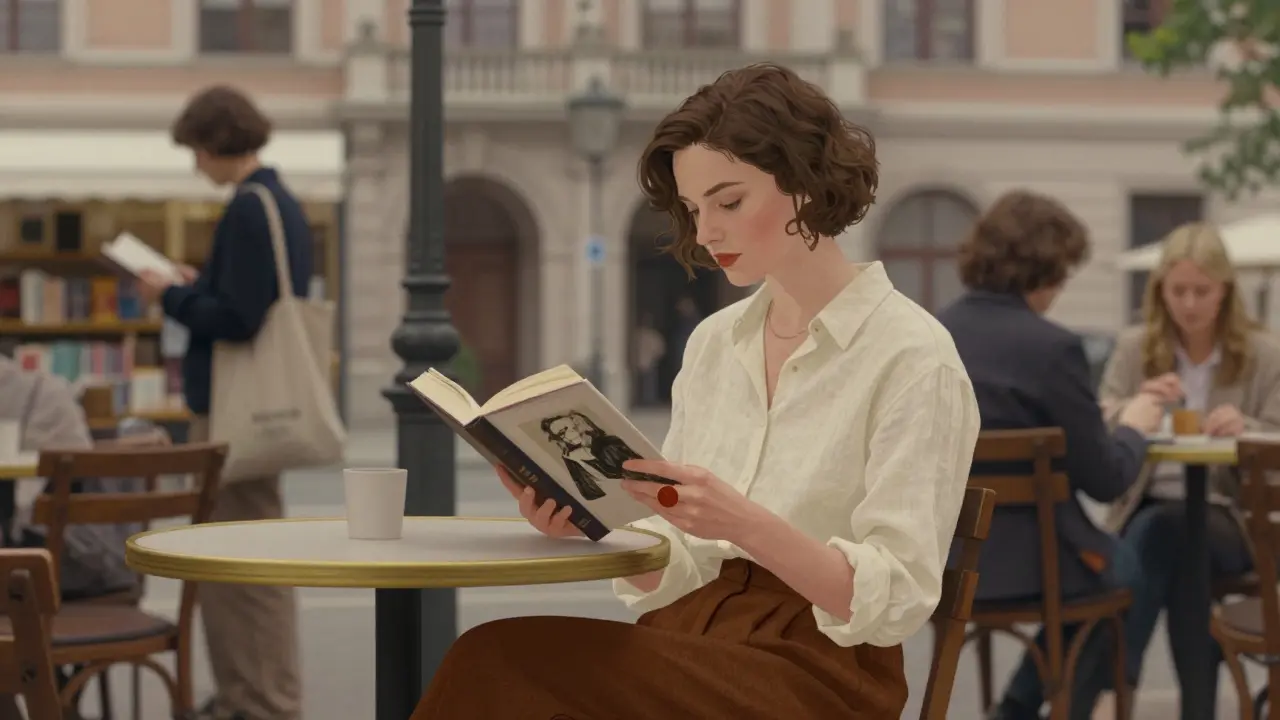
- Start with texture. Wool, linen, raw silk, and unpolished leather speak louder than logos. Look for fabrics that change slightly in the light.
- Stick to a 3-color palette. Neutral base (beige, charcoal, cream), one earth tone (olive, rust, deep brown), and one muted accent (mustard, burgundy, slate blue).
- Invest in one perfect coat. A long, slightly oversized wool coat from a local brand will outlast five fast-fashion jackets.
- Shoes matter more than you think. Comfortable, sturdy, and simple. Think: loafers, ankle boots with a low heel, or even well-worn sneakers.
- Less is more. One statement piece. That’s it. A vintage brooch. A single bold ring. A scarf tied just right.
Forget Instagram filters. This look thrives in natural light. It doesn’t need hashtags. It just needs to be worn.
Munich Babes vs. Berlin Babes: A Quick Comparison
| Aspect | Munich Babes | Berlin Babes |
|---|---|---|
| Style Vibe | Quiet luxury, grounded, timeless | Edgy, experimental, DIY |
| Color Palette | Neutrals + muted earth tones | Black, neon, monochrome, bold prints |
| Footwear | Loafers, leather boots, Birkenstocks | Chunky platform boots, combat shoes, barefoot sandals |
| Brands | Atelier Mühle, Leitmotiv, Wunderkind | Acne Studios, C&A Conscious, local thrift |
| Attitude | Confident without trying | Rebellious, loud, expressive |
| Where to See Them | Englischer Garten, Lehel, Maxvorstadt | Kreuzberg, Neukölln, Prenzlauer Berg |
What to Expect If You Visit Munich Looking for This Vibe
Don’t expect to find a club full of models posing for selfies. Don’t expect to be approached on the street. You won’t find “Munich babes” as a tourist attraction. You’ll find them living their lives-reading in bookshops, buying fresh bread at the market, arguing about art in a quiet bar.
If you want to feel it, sit at a café in the early afternoon. Watch how they carry themselves. Notice how they don’t check their phones constantly. How they pause to talk to the barista like they actually know them. That’s the real fashion here. It’s not on the runway. It’s in the rhythm of daily life.

Where to Buy Munich-Style Clothing (Even If You’re Not in Germany)
Many of the brands that define this look ship internationally:
- Atelier Mühle-handmade wool pieces from the Bavarian Alps. Their cashmere scarves are legendary.
- Leitmotiv-slow fashion with a focus on natural dyes and zero waste.
- Wunderkind-minimalist basics with perfect fits. Their linen shirts are a cult favorite.
- Staud-a U.S.-based brand inspired by Munich’s aesthetic. Great for coats and handbags.
- Local thrift stores-check out Second Hand City in Schwabing or Trödelmarkt am Viktualienmarkt on weekends. You’ll find 90s German designer pieces for under €20.
FAQ: Your Questions About Munich Babes Answered
Are Munich babes only young women?
No. The Munich aesthetic celebrates all ages. You’ll see women in their 60s wearing the same wool coats and loafers as 20-year-olds. Beauty here isn’t tied to youth-it’s tied to presence. A woman who dresses with intention, no matter her age, embodies the Munich vibe.
Is this look expensive?
It can be, but it doesn’t have to be. The key is buying less, but better. A €300 wool coat that lasts 10 years costs less per wear than five €50 jackets that fall apart. Many locals mix high-end pieces with secondhand finds. Thrift stores in Munich are full of quality German-made clothing.
Do Munich babes wear makeup?
Sometimes. But rarely for the sake of looking “done.” You might see a touch of lip balm, a swipe of brow gel, or nothing at all. The focus is on skin health, not coverage. A glowing complexion beats heavy foundation every time.
Can men pull off the Munich look too?
Absolutely. The same rules apply: texture over trend, quality over quantity. Men in Munich wear tailored wool trousers, chunky knit sweaters, and leather boots. They look like they’ve been hiking on weekends and then went straight to a gallery opening. It’s not gendered-it’s grounded.
Why is this style so popular now?
After years of fast fashion and influencer culture, people are tired of noise. Munich’s style offers calm. It’s slow. It’s real. It’s the opposite of what’s pushed on TikTok. That’s why it’s spreading-because it feels like an antidote.
Final Thought: It’s Not About Looking Like a Babe. It’s About Being One.
The real secret of Munich’s fashion edge isn’t in the clothes. It’s in the mindset. It’s about moving through the world with quiet confidence. About choosing pieces that feel like an extension of yourself-not a performance. About caring enough to wear things that last, not just things that trend.
You don’t need to be in Munich to live this way. You just need to stop trying to impress everyone else-and start dressing for the person you are when no one’s watching.



Jasmine Hill
Okay but let’s be real-this whole ‘Munich babe’ thing is just slow fashion with a side of German guilt and a sprinkle of performative minimalism. You think these women aren’t spending 40 minutes styling their ‘messy’ hair? Please. It’s curated chaos. And don’t even get me started on the ‘no logos’ thing-that’s just a fancy way of saying ‘I spent €600 on a coat with a tiny hidden tag only fashion insiders can spot.’ I’ve seen the receipts. This isn’t authenticity-it’s aesthetic laundering.
Aubrie Froisland
I lived in Munich for two years and this is actually spot-on. The women there don’t dress for attention-they dress because they love the way the fabric moves, how the wool feels against their skin, how a good pair of loafers can carry them from the U-Bahn to a gallery opening without a single blister. I bought a secondhand wool coat from a thrift store in Lehel for €18. It’s 12 years old and still looks like it was made yesterday. No one cares about brands. They care about durability. And yeah, the ‘barely there’ makeup? That’s because they’re out hiking on Sundays. Real life, not a photoshoot.
Fred Lucas
While I appreciate the sentiment, I must insist that the author’s romanticization of Munich’s aesthetic borders on the delusional. The notion that ‘no one checks their phones’ is patently false; I’ve observed the exact opposite during multiple visits. Furthermore, the claim that ‘this isn’t fashion for attention’ is contradicted by the very act of publishing this article. The entire piece is, in fact, a performative act of self-aggrandizement disguised as cultural anthropology. Moreover, the punctuation in this text is inconsistent-commas are overused where semicolons are warranted, and the em-dashes are employed with alarming frequency. This is not authenticity-it is a curated illusion, dressed in wool and sold as wisdom.
Martha Lorini
Look I'm not saying this is bad but why are we glorifying German fashion like it's some sacred ritual? In America we have real style. Real grit. Real innovation. Not this quiet luxury nonsense. You think people in Munich are so deep? They're just too lazy to try. No one in LA wears a coat that costs more than a car payment and calls it ‘authentic.’ We have streetwear. We have sneakers. We have culture. This is just beige with a side of pretension. And don't get me started on the ‘women in wheelchairs wearing silk dresses’-that's not empowerment that's virtue signaling. You want real beauty? Look at a Black woman in a leather jacket in Atlanta. Now THAT'S power.
Logan Gibson
Yeah but like... why does this even matter? Who cares what some random woman in Munich wears? It’s not like she’s curing cancer or building a rocket. This whole article reads like a Pinterest board with a thesaurus. ‘Quiet power’? ‘Cultural code’? ‘Heirlooms in the making’? Please. You’re just selling wool coats to people who think ‘minimalist’ means ‘I don’t want to do laundry.’ And the part about ‘not checking phones’? That’s not a lifestyle. That’s a social anxiety disorder. I’ve seen these women. They’re just awkward. They don’t want to talk to anyone. They just want to look like they’re above it all. It’s not style. It’s avoidance.
Alan Espinoza
There’s something almost sacred about the way Munich women move through the world-like they’ve absorbed the quiet hum of the Alps into their bones. It’s not fashion. It’s a meditation. A rebellion against the scream of capitalism wrapped in linen and unpolished leather. You can smell it-the faint trace of pine resin from a wool blanket, the whisper of a silk scarf caught in a breeze off the Isar. They don’t post it. They don’t monetize it. They just… live it. And that’s why it hurts. Because we’ve turned everything into content. Even our souls. But these women? They’re still out there, in Lehel, in Maxvorstadt, in the Englischer Garten-wearing their history like a second skin, not a hashtag. And we? We’re still scrolling.