
Top Models Are Redefining What Fashion Means Today
You’ve seen them on billboards, Instagram feeds, and opening shows at Milan and Paris Fashion Week. But the top models today aren’t just walking in designer clothes-they’re changing the rules of the entire industry. Forget the old idea of one perfect look. The future of fashion isn’t about fitting into a mold. It’s about breaking it.
Who Are the Top Models Driving This Change?
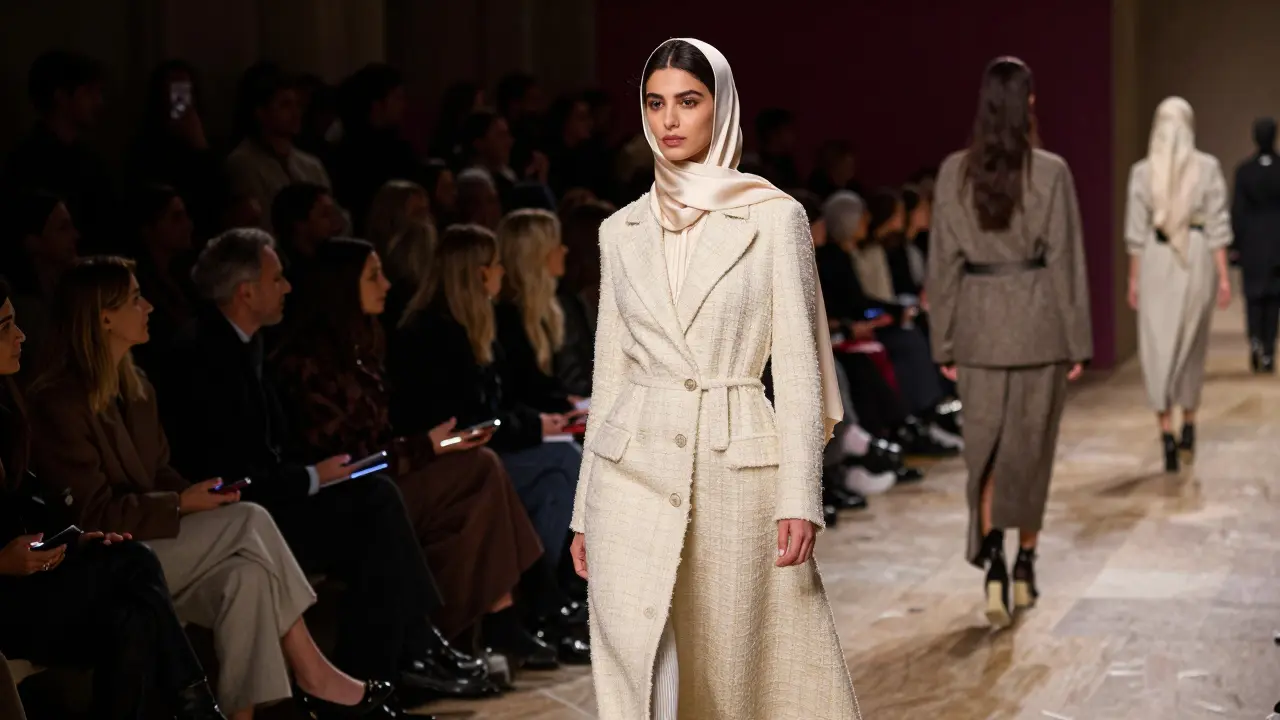
It’s not just about who’s tall, thin, and has a perfect jawline anymore. The top models leading the charge in 2026 come in all shapes, sizes, ethnicities, and gender expressions. Look at Iman Amrani a Moroccan-Dutch model who became the first hijabi to open a major Paris runway show for Chanel in 2025. Or Alek Wek a South Sudanese-British icon who returned to the runway after a decade, now as a brand ambassador for L’Oréal’s inclusive skincare line. Then there’s Jari Jones a Black, queer, plus-size model who walked for Virgil Abloh’s Off-White and now leads campaigns for Nike’s adaptive clothing line.
These aren’t outliers. They’re the new standard. Brands like Gucci, Prada, and Zara now require diversity quotas in their casting. In 2025, 68% of runway models at the Big Four fashion weeks (New York, London, Milan, Paris) were from non-white backgrounds-a jump from just 22% in 2018. The industry isn’t just being woke. It’s being smart.
Why the Shift? The Business Behind the Beauty
Let’s be real: fashion isn’t run by artists. It’s run by people who need to sell clothes. And guess what? The people buying them don’t look like the models from 20 years ago. The global middle class is expanding fast-in India, Nigeria, Brazil, Indonesia. Gen Z and Alpha shoppers care more about authenticity than perfection. They want to see themselves in ads, not just fantasy.
Look at the numbers. In 2025, campaigns featuring models with disabilities saw 34% higher engagement than traditional ones, according to McKinsey’s Global Fashion Report. Brands that embraced gender-fluid models saw a 27% increase in sales among millennials. This isn’t charity. It’s profit.
The New Rules of Modeling: Skills Beyond the Walk
Today’s top models aren’t just mannequins. They’re content creators, activists, and brand partners. Many run their own TikTok channels with millions of followers. Lila Moss daughter of Kate Moss, now has a 5.2M TikTok following where she critiques fast fashion and showcases vintage finds. Others write for Vogue, launch their own sustainable clothing lines, or even design shoes.
Agencies now train models in public speaking, digital marketing, and even basic coding for managing their own NFT fashion collectibles. The old model-show up, pose, leave-is gone. The new model builds a brand. And brands notice.
Technology Is Reshaping the Runway
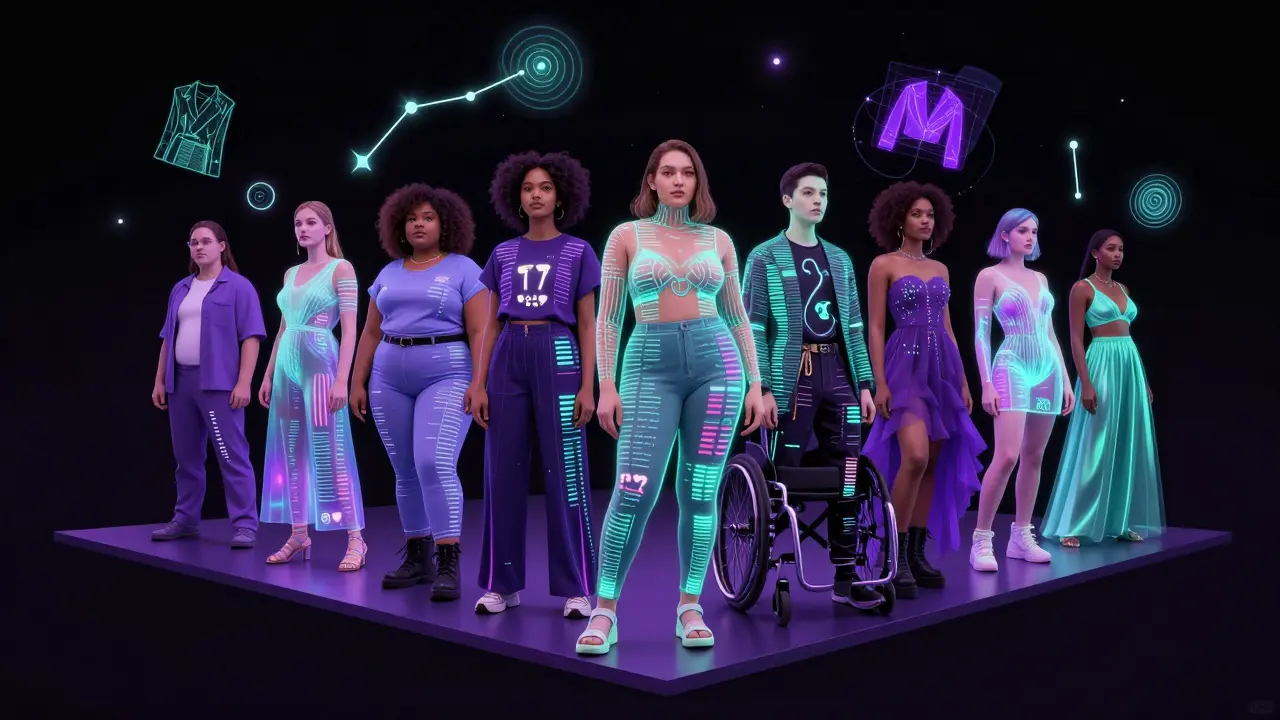
AI isn’t replacing models-it’s expanding who gets to be one. Virtual models like Miquela Sousa a CGI influencer with 3M followers, who collaborates with Prada and Samsung are now common. But here’s the twist: they’re not replacing real people. They’re opening doors. Designers use AI to simulate how clothes look on 100 different body types before production. That means more sizes get made. More skin tones get represented. More people get to shop.
And when real models walk in digital shows-like the 2025 Balenciaga metaverse runway, where 12 million viewers tuned in-they’re not just posing. They’re performing. Motion capture, real-time lighting adjustments, and interactive fan voting are now part of the job.
What’s Next? The Future Is Already Here
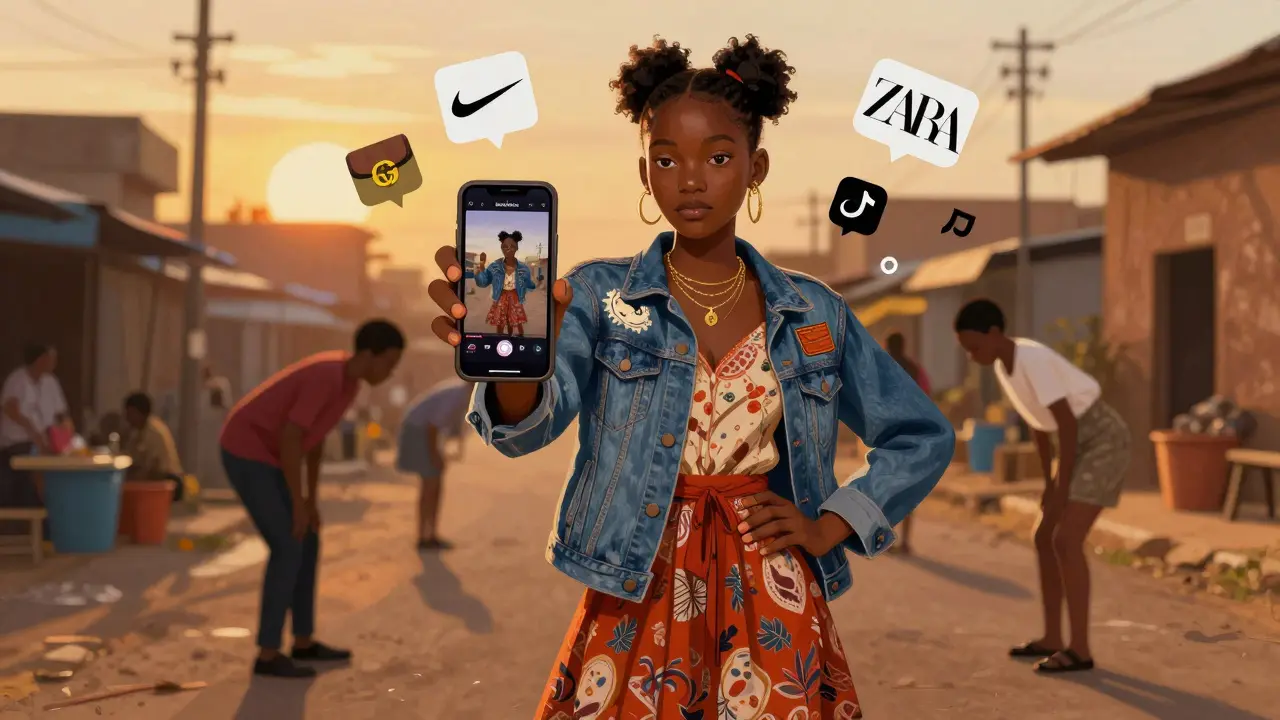
By 2030, the top 10 models won’t be chosen by scouts in Paris. They’ll be discovered through algorithms that scan social media for authenticity, engagement, and cultural impact. A 16-year-old in Lagos posting thrifted outfits with a message about sustainability could be the next global face-no agency needed.
Models are becoming influencers, designers, and CEOs. Fashion houses are partnering with activists and artists. The runway is no longer a stage. It’s a conversation.
What This Means for You
If you’re into fashion, this is good news. You don’t need to look like a supermodel to wear one. Brands are finally designing for real bodies, real lives, and real identities. Whether you’re curvy, disabled, non-binary, or just tired of seeing the same faces-your version of beauty is now part of the mainstream.
And if you’re a young person dreaming of modeling? Don’t wait for someone to find you. Start posting. Build your story. Your uniqueness isn’t a flaw-it’s your edge.
Comparison: Top Models Then vs. Now
| Aspect | 2000s Models | 2026 Models |
|---|---|---|
| Body Type | Extremely thin, size 0-2 | Size 0-20+, diverse proportions |
| Ethnicity | Overwhelmingly white | 68% non-white, global representation |
| Gender Identity | Strictly cisgender women | Significant presence of trans, non-binary, and gender-fluid models |
| Primary Skill | Walking, posing | Content creation, brand building, activism |
| Discovery | Agencies in NYC, Paris, Milan | Social media, AI scans, grassroots trends |
| Brand Value | Used for prestige | Directly tied to sales and social impact |
Frequently Asked Questions
Are traditional supermodels still relevant?
Yes-but not as the only standard. Icons like Naomi Campbell and Cindy Crawford still appear in campaigns, but now they’re often paired with new voices. Their role has shifted from being the face of fashion to being mentors and advocates for change. The industry no longer needs one face-it needs many.
Can someone without modeling experience become a top model today?
Absolutely. Agencies now scout TikTok, Instagram, and even local street style blogs. In 2025, 40% of new faces signed by Elite and IMG came from social media, not traditional scouting. All you need is authenticity, consistency, and a story that resonates.
Do top models still earn millions?
The top 1% still do-like Bella Hadid or Gigi Hadid, who earn over $10M annually from brand deals. But the median income for models in 2025 was $42,000, down from $78,000 in 2010. Why? More competition, more models, and more platforms. The real money now goes to those who build their own brands, not just walk runways.
Is AI going to replace human models?
No. AI models are tools, not replacements. They’re used for prototyping, virtual try-ons, and digital campaigns-but real humans still drive emotion, connection, and cultural impact. Brands know that people don’t buy clothes from robots. They buy from people who feel real.
How can I support more inclusive modeling?
Shop from brands that feature diverse models. Follow and engage with models of all sizes, races, and identities on social media. Call out brands that still use outdated casting. Your attention and spending power are the most powerful tools you have.
What to Watch Next
If this interests you, keep an eye on the rise of adaptive fashion lines, the first fully inclusive runway at London Fashion Week in 2026, and the growing number of models who are now founding their own design houses. The future isn’t just about who’s on the catwalk. It’s about who gets to design it.

Ryan Woods
This is just performative wokeness dressed up as progress. Brands don't care about diversity-they care about clicks. You think a hijabi opening for Chanel means anything? It's a PR stunt. The same designers still pay their white, thin models 10x more. Don't fool yourself.
Teresa Bulhoes
I cried when I saw Jari Jones walk for Off-White. Not because it was 'groundbreaking'-because for the first time, I saw someone who looked like my little sister on a runway. This isn't just fashion. It's survival. It's saying: you exist. You matter. You're not a mistake. And that? That’s worth more than any runway show.
Leonie Holly
The real shift isnt in the models its in the mirror we're holding up to ourselves. We used to worship perfection now were learning to honor presence. No more pretending beauty has one face. Its messy. Its loud. Its imperfect. And thats exactly why it works
Melissa Pemberton
OMG YES. I just bought my first adaptive hoodie from Nike bc of Jari’s campaign and honestly? It’s the comfiest thing ive ever worn. Like why did it take this long??
Vicky Durel
This is all part of the globalist agenda. They want to erase identity, replace tradition with chaos, and sell you lies as progress. Look at how many real models are being pushed out. This isn't inclusion-it's replacement. And they're using your emotions to make you buy more.
Mrigank Srivastava
I don't disagree with the change. But the numbers feel inflated. 68% non-white? On runways? Where? I’ve seen the footage. Most of them are still the same body types. Just different skin. The real change hasn’t hit the boardrooms yet.
alyssa golightly
As an Indian woman who grew up thinking beauty meant fair skin and straight hair, seeing Alek Wek on a L'Oréal ad changed my life. Not because she was 'exotic'-because she was unapologetically herself. That’s the power of representation. It doesn't need a speech. Just a face.
Darshan R
ai models are cool but they cant cry. they cant feel the fabric. they cant hold a baby and still walk a runway with grace. real people carry stories. machines just show pixels. we need both but never forget who made the art
Kristina Mozdzierz
The data presented is compelling, yet the structural inequities within modeling agencies remain unaddressed. While representation has improved quantitatively, qualitative access to high-value contracts, long-term brand partnerships, and creative control continues to be disproportionately allocated. This is not progress-it is rebranding.
Tim Paradis
They say models are building brands now. Cool. So now they’re influencers too. Next thing you know, the runway will be replaced by a TikTok live stream and the whole thing will be a paid ad. Fashion is dead.