
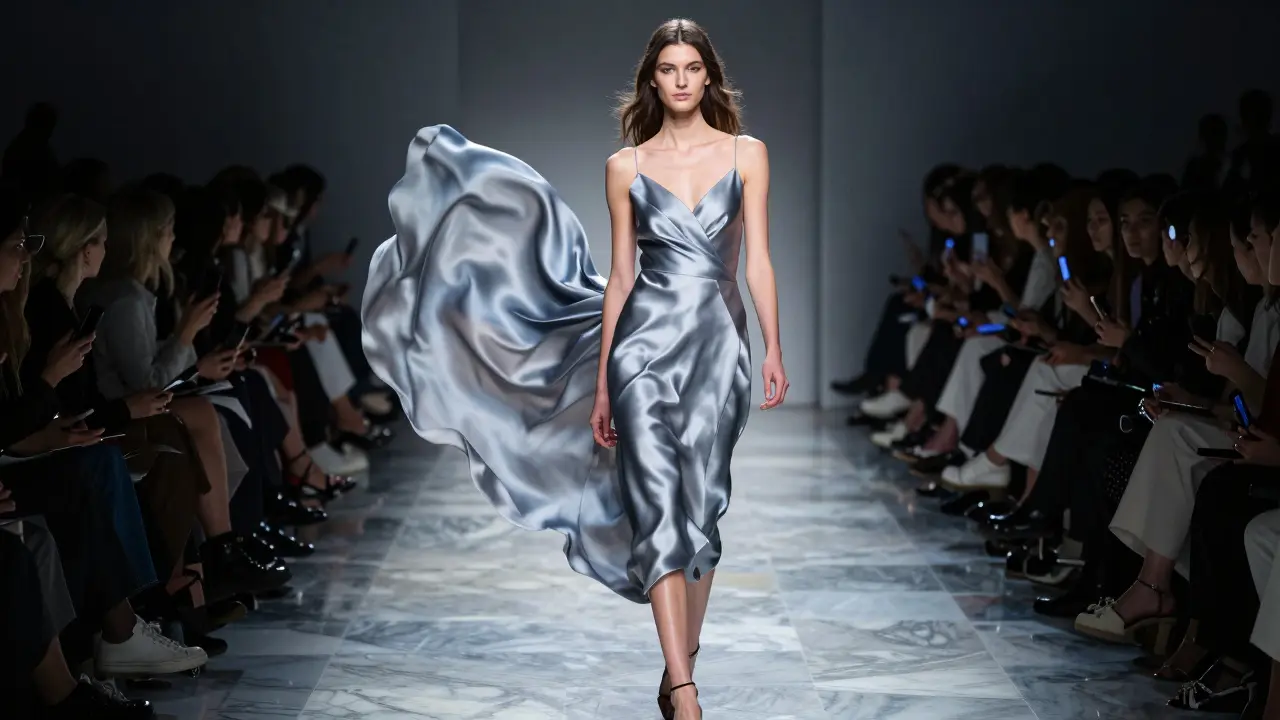
You’ve seen them on billboards, in magazines, on Instagram feeds bursting with millions of likes. But what really makes a top model more than just a pretty face? It’s not just about height, symmetry, or a perfect jawline. It’s about presence. It’s about power in every step they take down the runway, every glance they hold for the camera, every silent statement they make without saying a word.
Top models don’t just walk-they command. They don’t just pose-they provoke. And behind every iconic image, there’s a system, a strategy, and a story most people never see.
What Makes a Model ‘Top’?
Being called a ‘top model’ isn’t an award you get from a magazine. It’s earned over years, through consistency, adaptability, and sheer professionalism. Think of it like being a starting quarterback in the NFL-not everyone who’s tall and fast makes it. Only those who deliver under pressure, adapt to different coaches, and stay injury-free for seasons on end rise to the top.
Top models work with the biggest names: Chanel, Versace, Prada, Calvin Klein, and Dior. They open and close major fashion weeks in New York, Milan, Paris, and London. They’re the faces of global campaigns with budgets that run into tens of millions. And they don’t just show up-they show out.
Take Gigi Hadid. She didn’t just get discovered at 16. She worked nonstop for years-testing for brands, walking for lesser-known designers, enduring brutal schedules, and learning how to read a runway like a chessboard. By 22, she was opening for Chanel and closing for Versace. That’s not luck. That’s discipline.
The Power Behind the Pose
What does it mean to have power in every step? It’s about control. Top models know how to use their bodies like instruments. A slight tilt of the head, a shift in shoulder angle, the way they breathe between steps-it’s all choreographed. They train with movement coaches, work with physiotherapists, and study acting to convey emotion without words.
During a fashion show, they’re not just walking. They’re selling a dream. A $5,000 dress isn’t just fabric-it’s a statement. The model becomes the vessel for that statement. One wrong step, one distracted look, and the entire narrative collapses.
And it’s not just runway. In editorial shoots, top models work with photographers like Annie Leibovitz or Steven Meisel. They’re asked to embody characters: a 1970s rock star, a futuristic warrior, a lonely queen. They don’t just wear clothes-they become the story.
Who Are the Top Models Today?
Right now, the industry is dominated by a mix of veterans and new gen. Here are the names you can’t ignore:
- Adriana Lima-20+ years in the game, still walking for Victoria’s Secret and launching her own brand.
- Bella Hadid-Known for her sharp angles and fearless attitude; the face of YSL and Balenciaga.
- Zendaya-Not a traditional model, but her fashion presence is undeniable. She walks red carpets like runway shows.
- Liya Kebede-Pioneered diversity on runways in the early 2000s and still commands global campaigns.
- Supreme Model Status: Kaia Gerber-Daughter of Cindy Crawford, she’s already walked for Louis Vuitton and Prada before turning 25.
These women aren’t just beautiful. They’re businesspeople. They have endorsements, their own product lines, and social media followings that rival major brands. Kaia Gerber’s Instagram isn’t just photos-it’s a marketing engine driving sales for the brands she works with.
How Top Models Shape Trends
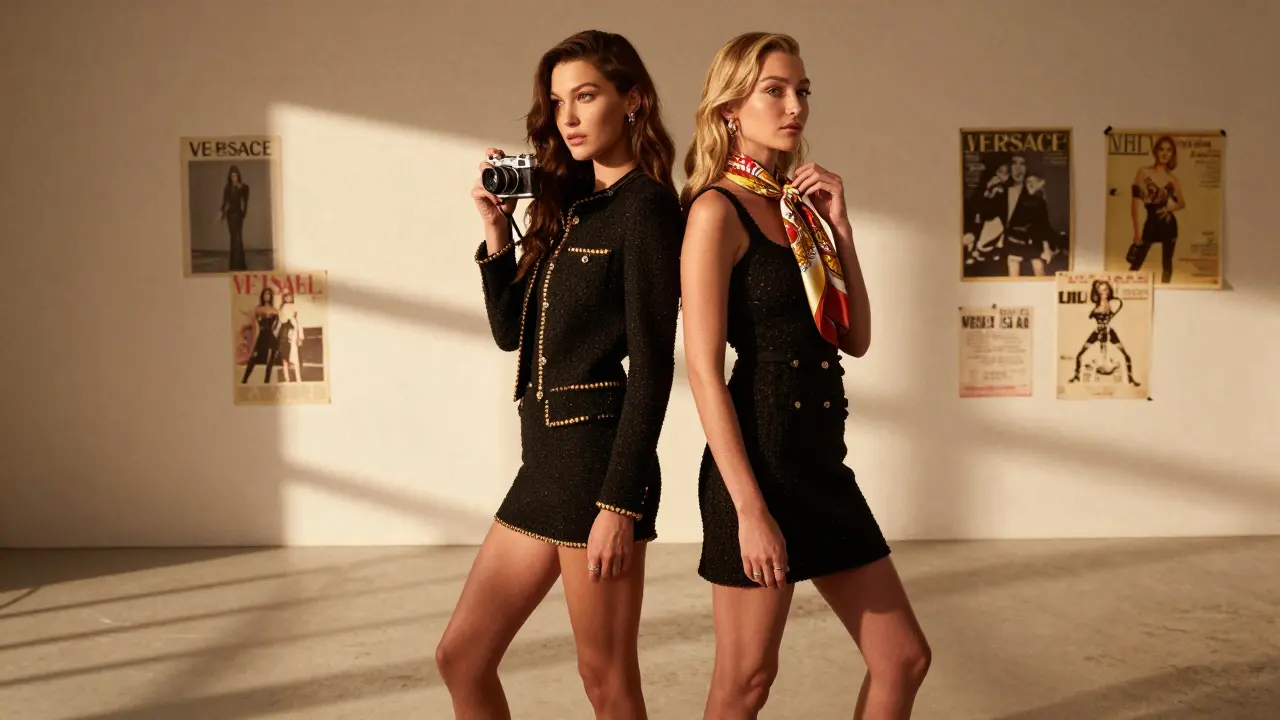
Remember when everyone started wearing wide-leg jeans? Or when everyone wanted that ‘no-makeup makeup’ look? Chances are, a top model wore it first-on a runway, in a magazine, or on a street style photo.
Top models don’t follow trends. They create them. Designers build entire collections around how a model moves, how her hair falls, how she carries herself. A model’s walk can make a silhouette popular. Her expression can turn a color into a season’s defining shade.
In 2024, the rise of ‘quiet luxury’ wasn’t just a marketing term-it was a model-driven movement. Models like Irina Shayk and Emily Ratajkowski walked in neutral tones, minimal jewelry, and tailored silhouettes. Within weeks, every major retailer copied it. Why? Because when top models wear it, it becomes desirable by default.
The Business of Being a Top Model
Being a top model isn’t glamorous in the day-to-day. It’s brutal. You wake up at 5 a.m. for a 7 a.m. casting. You fly across continents on 4 hours of sleep. You’re told your hips are too wide, your nose too big, your skin too dry. Rejection is constant.
But the payoff? Top models earn anywhere from $100,000 to $1 million per campaign. Gigi Hadid reportedly made $9.5 million in 2023. Bella Hadid cleared over $7 million. And that’s just from modeling. Add brand deals, TV appearances, and product lines-and the numbers climb even higher.
They also have teams: agents, managers, stylists, publicists, nutritionists, and trainers. They’re run like Fortune 500 companies. Their social media? Handled by digital strategists. Their wardrobe? Curated by stylists who know exactly what sells.
How to Spot a Real Top Model
Not everyone with 500K followers is a top model. Here’s how to tell the difference:
- They work with top-tier designers-Not just fast fashion brands, but heritage houses with 100+ year histories.
- They walk major fashion weeks-Opening or closing shows at Milan or Paris Fashion Week is a badge of honor.
- They’re in Vogue, Harper’s Bazaar, or Elle covers-Not just online features, but print editions.
- They have long-term brand partnerships-Think Chanel, Dior, or L’Oréal-contracts that last years, not months.
- They’re referenced by industry insiders-Designers, photographers, and editors name-drop them as ‘the one’.
If someone checks none of these boxes, they might be popular-but they’re not a top model.

Why the Industry Is Changing
The old model mold-tall, thin, white, and silent-is fading. Today’s top models are diverse in body type, ethnicity, age, and background. Ashley Graham, a size 16 model, has walked for Savage X Fenty and graced the cover of Sports Illustrated. Precious Lee, a curvy Black model, opened for Fendi in 2023. These aren’t token hires-they’re industry-shifting moves.
Brands now know: representation sells. Consumers connect with authenticity. A top model today isn’t just beautiful-she’s relatable. She speaks up about mental health, body image, and sustainability. She’s not just selling clothes-she’s selling values.
What’s Next for Top Models?
The future belongs to models who can do more than walk. They need to be content creators, brand ambassadors, and cultural influencers. The next generation of top models will likely have their own fashion lines, podcasts, or even NFT collections.
Look at Naomi Campbell. She’s been in the industry since she was 15. Now, she’s launching her own digital platform for models of color. That’s the evolution: from face to founder.
Top models aren’t just part of fashion-they’re shaping it. Their power isn’t in their looks. It’s in their ability to turn a garment into a movement, a moment into a memory, and a step into a statement.
FAQ: Your Questions About Top Models Answered
How do you become a top model?
There’s no single path, but most top models start by being scouted young or signing with a major agency like IMG, Ford, or Elite. They build their portfolio with test shoots, walk local fashion weeks, and work relentlessly. Consistency, professionalism, and adaptability matter more than looks alone. Many spend 3-5 years grinding before landing their first big campaign.
Do top models have to be super skinny?
No. While traditional runway standards favored ultra-thin frames, the industry has shifted dramatically since 2020. Brands now prioritize diversity. Curvy, athletic, and tall models are in high demand. Designers like Chromat and Savage X Fenty have led the charge. Today, a top model can be size 2 or size 16-what matters is confidence, presence, and how well she sells the clothes.
How much do top models earn?
Top models earn between $100,000 and $1 million per campaign, depending on the brand and exposure. Supermodels like Gigi Hadid or Kendall Jenner can make $10 million+ annually when you include brand deals, social media posts, and TV appearances. Their earnings aren’t just from walking-they’re from influence.
Are top models just lucky?
Luck plays a role, but it’s not the main factor. Most top models have worked for years with no pay, endured rejection after rejection, and sacrificed personal time for shoots and travel. Their success comes from discipline, resilience, and the ability to adapt to changing trends and demands. They’re athletes of the fashion world.
Can anyone become a top model?
There’s no single body type or background that guarantees success. What matters is how you carry yourself, how you respond to pressure, and whether you can turn a look into a story. The industry is more open than ever-but it’s also more competitive. You need talent, hustle, and a thick skin.



Zafer Sagar
It’s wild how much goes into that one perfect step. I used to think models just stood there looking pretty, but after reading this, I realize it’s like watching a ballet performed by elite athletes who also happen to be walking billboards. The discipline, the mental stamina, the sheer professionalism-it’s insane. They’re not just selling clothes; they’re selling a whole damn ideology wrapped in silk and leather.
And the fact that they’re now shaping culture instead of just reflecting it? That’s the real power move. Not everyone gets to turn a shoulder tilt into a global trend. That’s art disguised as commerce, and honestly? It’s brilliant.
kamal redha
You know what’s funny? People act like models are these untouchable gods on pedestals, but most of them are just kids who got lucky with bone structure and survived a thousand rejections before someone finally said yes. I’ve met a few in my travels-quiet, exhausted, hyper-aware of every movement, like they’re always performing even when the cameras are off. They’re not just beautiful-they’re trained to be emotional conduits for brands. It’s almost tragic, in a way. The weight of being a vessel for someone else’s dream.
And yet, look at Kaia Gerber. She didn’t just ride her mom’s coattails-she studied the craft, learned how to hold a gaze like it was a weapon, and turned her lineage into leverage. That’s not luck. That’s strategy. And honestly? More power to her.
connor dalton
The shift from passive beauty to active cultural influence is one of the most underrated developments in modern fashion. Models used to be mannequins with hair. Now they’re curators of identity, ambassadors of values, and sometimes even CEOs. The fact that someone like Liya Kebede helped break racial barriers in the 2000s and is still relevant today speaks volumes about longevity in an industry that eats its young.
What’s fascinating is how the power dynamic flipped: designers used to dictate the narrative. Now, models have enough leverage to shape it. That’s not just evolution-it’s a revolution dressed in couture.
Kari Watkins
OMG I CRIED READING THIS 😭✨ Like… Kaia Gerber opening for LV??? I can’t even. I literally have a Pinterest board called ‘Models Who Make Me Feel Like I’m Living in a Vogue Editorial’ and it’s 90% these women. And don’t even get me started on how Adriana Lima still slays at 43??? That’s not aging-that’s divine intervention with a team of stylists and a $20k facial.
Also, quiet luxury?? Honey, I wore a beige trench coat for 3 months straight because Irina Shayk looked like a goddess in it. Fashion isn’t clothing-it’s *vibes*. And these women? They’re the entire atmosphere. 🫶💫
Emily Cross
Yeah sure, they’re ‘powerful’… but let’s be real-this whole thing is just capitalism repackaging objectification with woke buzzwords. ‘She’s selling values’? Nah, she’s selling a $10k coat that’s made in a sweatshop. ‘She’s a founder’? Cool, so now the industry’s just turned models into influencer CEOs while still paying them in exposure and anxiety.
And don’t get me started on ‘diversity’. They throw in one curvy model, one Black model, one trans model, and call it representation. Meanwhile, the same 5 agencies still control 90% of the industry. It’s not progress-it’s performative. The power isn’t in their steps. It’s in the bank accounts of the men who hired them.
Amit krishna Dhawan
Wait-did you say Kaia Gerber walked for Prada before 25? That’s insane. I mean, I know she’s Cindy Crawford’s daughter, but still-she didn’t just inherit fame, she earned it. And the fact that she’s got more brand deals than most actors? That’s next-level hustle.
Also, ‘quiet luxury’? That’s just rich people pretending they don’t care about fashion while wearing $5,000 sweaters. But hey, if the model makes it look effortless, then mission accomplished. Still… respect to the ones who turn pain into poise.