Night Food Markets Munich: Where Local Flavors Come Alive After Dark
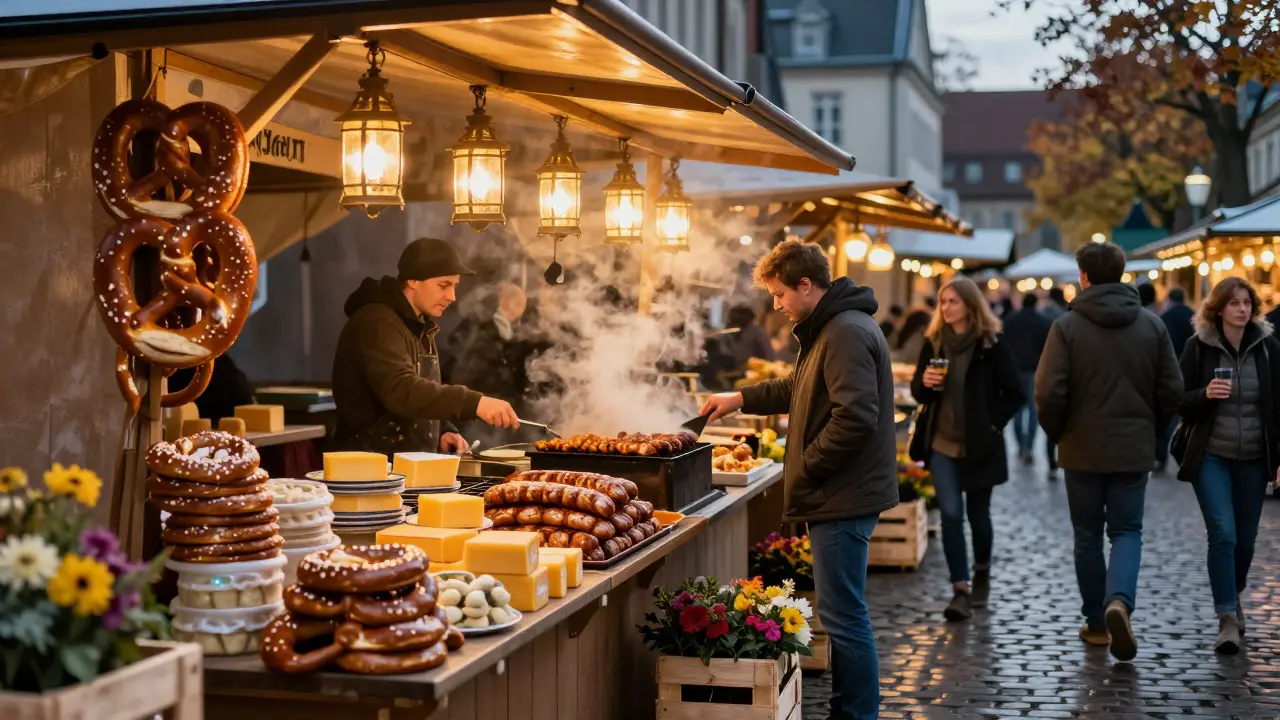
When the sun sets in Munich, the city doesn’t sleep—it switches to a different mode. Night food markets Munich, open-air gatherings of local vendors, street chefs, and artisans that transform public spaces into intimate culinary experiences after dark. Also known as Munich night markets, these aren’t tourist traps with overpriced bratwurst—they’re quiet, curated events where food is made fresh, music is live, and the vibe stays low-key. You won’t find giant Ferris wheels or flashing neon signs here. Instead, you’ll find a single stall selling handmade dumplings by a chef who works in a Michelin-starred kitchen by day, or a couple brewing spiced mulled wine with herbs from their backyard garden.
These Munich food markets, evening gatherings centered around regional cuisine, craft drinks, and local artistry that thrive after regular business hours aren’t just about eating. They’re about connection. The same people who run these stalls are often the ones you’ll see at the local brewery or art gallery. You might chat with the baker while waiting for your warm pretzel, or swap stories with the winemaker pouring samples from her small vineyard in Franconia. This isn’t commerce—it’s community, served on wooden platters under string lights.
And it’s not just food. Munich evening experiences, activities and events that blend food, music, and art into immersive nighttime rituals unique to the city include live jazz from a saxophonist who plays in clubs by night and teaches kids violin by day. Or a local painter setting up an easel to sketch visitors while they eat. These moments don’t happen in big squares or packed tourist zones—they’re tucked into quiet courtyards, beside the Isar River, or behind old brick buildings you’d walk past without noticing during the day.
What makes these markets different from daytime ones? Timing. You come here after work, after a club night, or when you just want to slow down. No lines. No pressure. Just good food, real people, and the kind of atmosphere that makes you forget you’re in a city of over 1.5 million people. And unlike the big beer halls, these spaces welcome solo visitors, couples, and small groups alike—no group bookings, no minimum spends, no fake Oktoberfest costumes.
If you’ve been to Munich before and only saw the Oktoberfest tents or the English Garden, you haven’t seen the real city after dark. The Munich events 2025, curated, seasonal gatherings that reflect current trends in local culture, food innovation, and urban nightlife are getting more intentional. More artists, fewer vendors selling mass-produced souvenirs. More vegan sausages made from fermented mushrooms, less fried dough on sticks. More vinyl records spinning in the background, less loud EDM blasting from speakers.
You won’t find these markets advertised on every travel blog. They’re shared by word of mouth, posted on local Instagram accounts, or whispered about in cozy bars. But once you find one, you’ll remember it—not because it was flashy, but because it felt like you stumbled into something private, something true.
Below, you’ll find real stories from people who’ve wandered through these hidden markets, found their favorite stall, and came back week after week. Some went for the food. Others stayed for the silence between songs, the way the steam rose from a bowl of soup under the moonlight, or the stranger who became a friend over a shared plate of cheese and honey. This isn’t just a list of places to eat—it’s a guide to how Munich lives when the crowds are gone.