
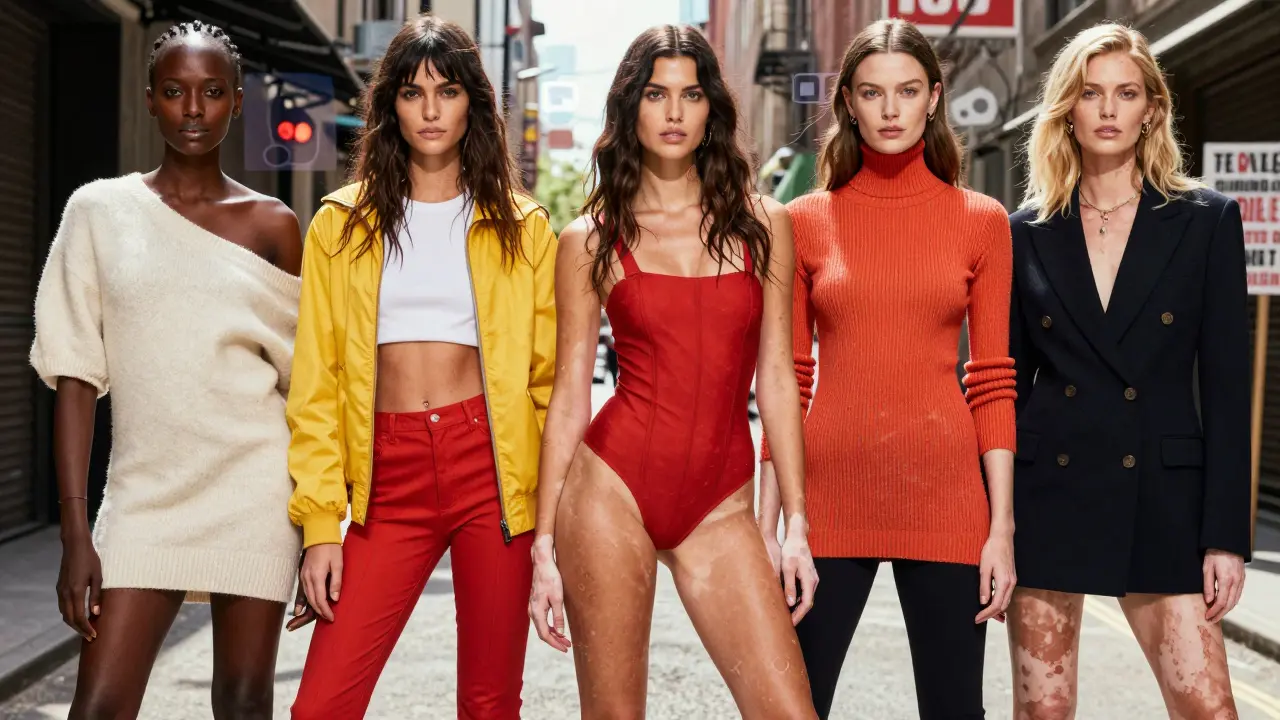
You’ve seen them on billboards, in magazines, on your phone screen-women who don’t just walk runways but redefine what beauty means today. Forget the cookie-cutter looks of the '90s. The new wave of supermodels isn’t about one type of face, one body shape, or one skin tone. It’s about authenticity, power, and a quiet revolution happening right in front of our eyes.
What’s Changed? The Old Rules Are Gone
Twenty years ago, a supermodel had to be tall, thin, and pale. Think Claudia Schiffer, Naomi Campbell, Linda Evangelista. They were flawless, distant, almost untouchable. Today? The most talked-about names aren’t just models-they’re activists, entrepreneurs, and voices for change. Look at Adut Akech, a former refugee who now opens shows for Chanel. Or Paloma Elsesser, who shattered the idea that size 12 can’t headline a Victoria’s Secret campaign. These aren’t exceptions. They’re the new normal.
Why does this matter? Because beauty isn’t just about selling clothes anymore. It’s about who gets to be seen. And right now, the fashion world is finally listening.
The Faces Behind the Movement
The new supermodels aren’t chosen by one agency or one editor. They rise because they connect. They speak up. They post unedited photos. They talk about mental health, body dysmorphia, and the pressure to conform.
- Valentina Sampaio-the first openly transgender model to walk for Victoria’s Secret and the first on the cover of Sports Illustrated Swimsuit.
- Amber Valletta-a veteran who now mentors younger models and speaks openly about industry abuse.
- Liya Kebede-Ethiopian-born, UNICEF ambassador, and one of the few Black models to break into haute couture consistently in the 2000s.
- Yasmin Benoit-an asexual model who challenged the idea that sexuality is required to sell fashion.
These women didn’t wait for permission. They built their own platforms, called out hypocrisy, and forced brands to adapt-or get left behind.
Why This Wave Isn’t Just a Trend
It’s easy to call this "inclusivity" and move on. But this is deeper. It’s economic. It’s cultural. And it’s backed by data.
A 2024 study by McKinsey & Company found that fashion brands with diverse casting saw a 19% higher sales lift than those sticking to traditional looks. Consumers aren’t just tolerating difference-they’re actively choosing brands that reflect their own identities. Gen Z doesn’t buy from models who look nothing like them. They buy from ones who look like their sister, their best friend, or even themselves.
And it’s not just about race or size. It’s about scars, stretch marks, vitiligo, disabilities, and gray hair. Look at Maye Musk, Elon Musk’s mom, who became a global face for Maybelline at age 70. Or Winnie Harlow, who turned her vitiligo into a signature. These aren’t "diversity hires." They’re icons.
Where You’ll See Them Now
The runway is just the start. Today’s supermodels own brands, host podcasts, launch skincare lines, and appear in ads for everything from electric cars to insurance companies.
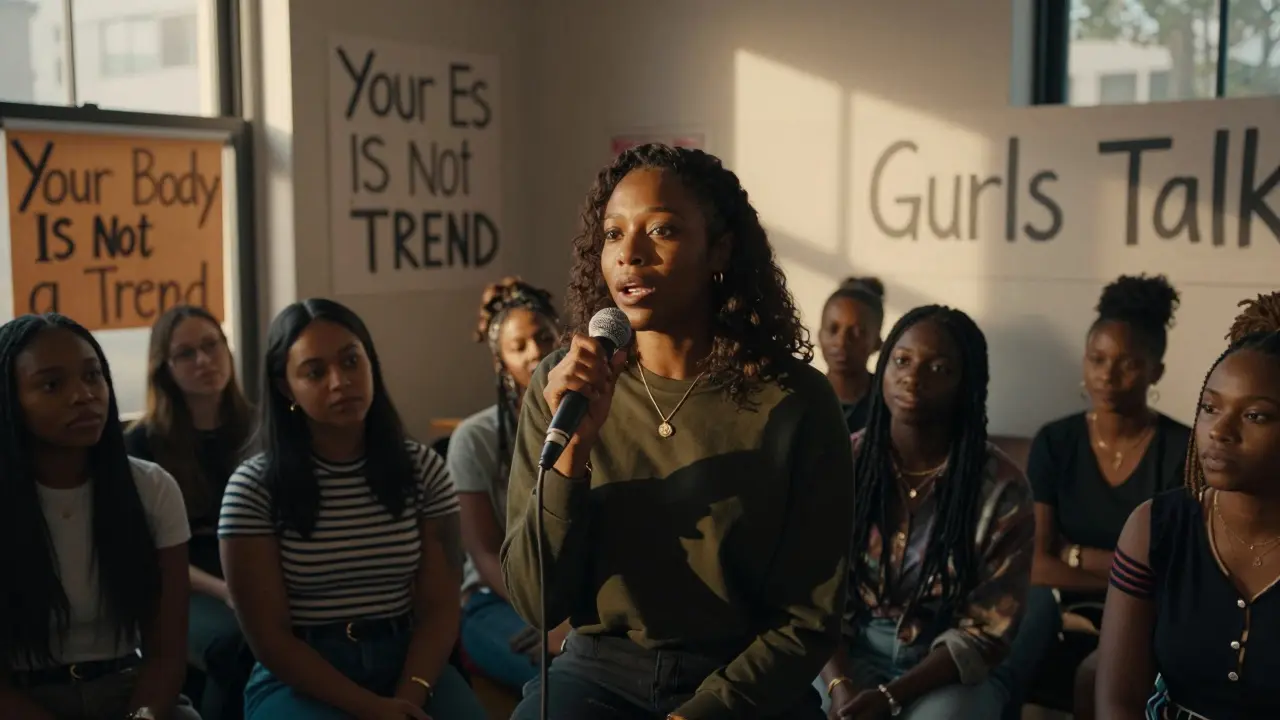
- Adwoa Aboah founded Gurls Talk, a mental health platform for young women.
- Christy Turlington runs a nonprofit focused on maternal health.
- Lily Aldridge launched her own activewear line after speaking out about postpartum body image.
Their influence doesn’t stop at fashion week. They’re on TikTok, Instagram Reels, YouTube documentaries, and even in Netflix series about the industry. They’re not just wearing the clothes-they’re shaping the conversation.
What’s Still Broken?
Let’s be real: progress isn’t perfect. Many brands still use "token" diversity-putting one plus-size model on a campaign while keeping the rest skinny. Or casting one Black model in a sea of white faces and calling it "inclusive."
True change means representation at every level: in boardrooms, in editorial meetings, in casting rooms. Right now, 87% of fashion executives are still white women, according to a 2025 report from the Fashion Spot. The models are changing-but the system? It’s catching up slowly.
How to Spot Real Change
Not every brand that says "diverse" actually means it. Here’s how to tell the difference:
- Look at the whole campaign-not just one model in an ad.
- Check who’s behind the camera-are photographers, stylists, and directors from diverse backgrounds too?
- See if they keep working with them-one-off features aren’t inclusion. Consistent bookings are.
- Listen to what they say-do they talk about systemic change, or just "being different?"
Real supermodels don’t just show up-they stay. And they demand more than a photo op.
What This Means for You
If you’ve ever felt like you didn’t fit the mold of beauty-you’re not alone. And you’re not wrong.
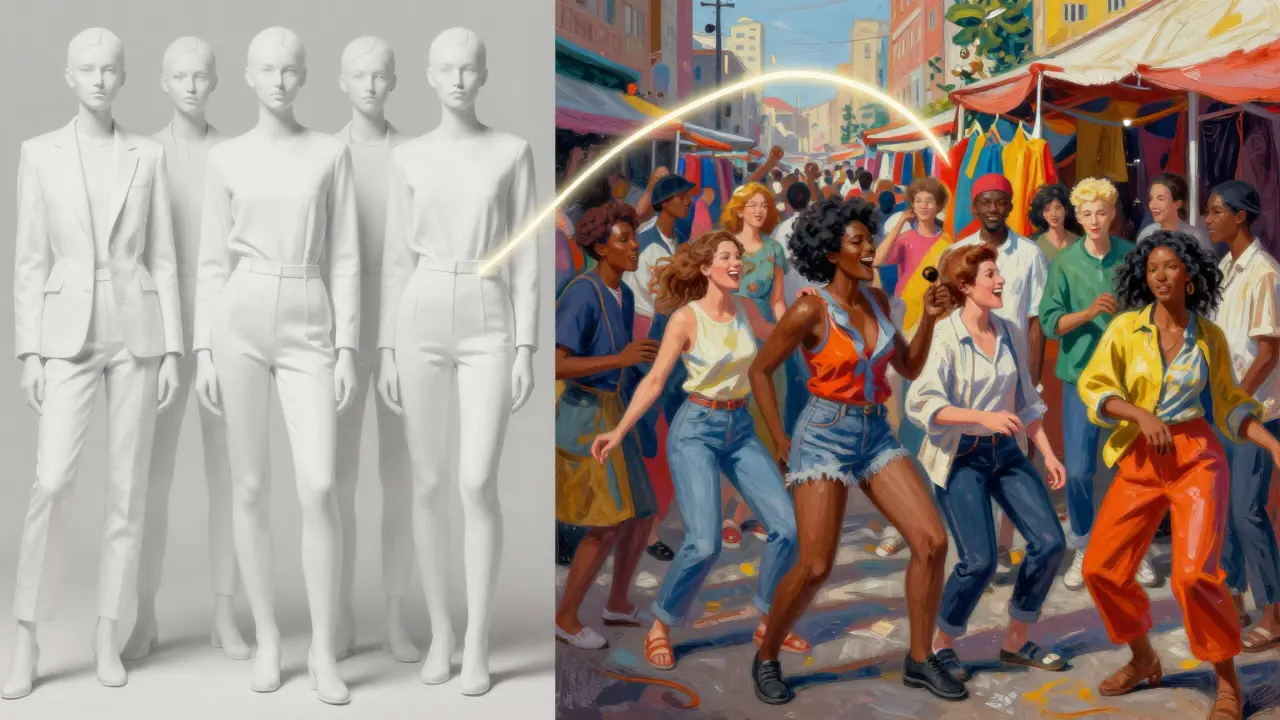
The new wave of supermodels is telling you: your worth isn’t tied to a size, a skin tone, or a number on a scale. Beauty isn’t a single standard. It’s a spectrum. And it’s expanding every day.
Next time you see a model who looks different from the ones you grew up with, don’t just scroll past. Ask: Why is this here? Chances are, someone fought for it. And that’s worth paying attention to.
Supermodels vs. Traditional Models: A Quick Comparison
| Aspect | Traditional Supermodels (1990s-2010s) | New Wave Supermodels (2020s) |
|---|---|---|
| Body Type | Extremely thin, uniform height (5'9"-6'0") | Varied sizes, heights, and builds-including curvy, tall, petite, and disabled |
| Skin Tone | Primarily white or lightly tanned | Full spectrum of skin tones, including deep Black, South Asian, Indigenous, and Middle Eastern |
| Gender Identity | Exclusively cisgender women | Inclusive of transgender and non-binary models |
| Age Range | 16-25 | 16-70+, with mature models leading campaigns |
| Platform | Magazines, runway shows | Social media, podcasts, documentaries, brand ownership |
| Advocacy | Rarely public about personal issues | Open about mental health, trauma, activism, and systemic change |
Frequently Asked Questions
Are supermodels still relevant in 2026?
Absolutely. But their role has changed. Today’s supermodels aren’t just faceless icons-they’re influencers, entrepreneurs, and activists. They drive sales, shape trends, and push brands to be more ethical. Their relevance isn’t about how many covers they’re on-it’s about how much they change the game.
Why are plus-size models now called supermodels?
Because they’re not just models-they’re cultural forces. Paloma Elsesser, Ashley Graham, and Tess Holliday have broken into luxury fashion, starred in global campaigns, and built million-dollar businesses. They don’t need to fit a mold to be powerful. Their influence is measurable: brands that feature them see 20-30% higher engagement. That’s not luck. That’s impact.
Can someone be a supermodel without walking runways?
Yes. The runway was never the only path. Today, a supermodel might be someone who lands a 10-million-view TikTok video about body positivity, then gets signed by L’Oréal. Or someone who launches a skincare line for eczema-prone skin and sells out in hours. Influence now comes from connection, not just catwalks.
Do supermodels still get paid millions?
A few still do-but it’s not the norm anymore. The old model of a single $10M contract for a perfume ad is rare. Today’s top earners make money through brand partnerships, royalties, and owning their own businesses. A model like Adwoa Aboah earns more from her mental health platform than from a single Vogue cover.
Is this movement just for show?
Some brands use it as PR. But the shift is real because consumers are calling them out. If a company only hires one diverse model and ignores the rest, people notice-and they vote with their wallets. The models who stick around aren’t just pretty faces. They’re holding brands accountable. And that’s why this wave isn’t fading.
Beauty isn’t a trend. It’s a mirror. And right now, the mirror is finally showing us all-every shape, every color, every story. That’s not just progress. That’s power.

Haseena Budhan
ok but like… why do we even care? these girls just pose and get paid. i saw one on tiktok with a scar on her leg and everyone went nuts like it’s some miracle. bruh. my aunt has 10 scars from surgery and no one’s making her a cover model. this whole thing feels like performative woke junk.