You’ve walked through the old cobblestones of Munich, sipped a perfect Helles at a beer hall, maybe even caught a glimpse of the Alps in the distance. But when the sun goes down? That’s when the city truly wakes up. Munich isn’t just about Oktoberfest and lederhosen-it’s got a pulse, and it beats strongest in its live music and DJ nights. If you’re looking for where the real energy is, you’re not just visiting a city. You’re stepping into a rhythm.
Key Takeaways
- Munich’s nightlife thrives on diversity-from underground techno to jazz lounges and indie rock gigs.
- Some of the best live music venues are tucked away in courtyards and basements, not on main streets.
- DJ nights in Munich aren’t just about dancing; they’re about community, discovery, and sound design.
- Most clubs don’t charge cover before midnight, so timing matters.
- Public transport runs late, but walking home from a club in the Altstadt is part of the experience.
What You’ll Find in Munich’s Live Music Scene
Munich doesn’t have one sound. It has dozens. Walk into Prinzregententheater a historic venue that hosts everything from classical chamber music to avant-garde electronic performances and you might hear a string quartet. Walk ten blocks to Kantine a raw, industrial space in the Schwabing district known for experimental noise and underground techno sets, and you’ll be surrounded by distorted synths and pounding 4/4 beats. This isn’t a city that picks a genre-it lets each neighborhood define its own.
There are jazz clubs where saxophones curl through cigarette smoke like fog over the Isar River. There are punk bars in Haidhausen where the crowd sings louder than the band. And then there are the hidden basement spots in Glockenbachviertel where a DJ from Berlin drops a 3-hour set and no one knows their name-but everyone remembers the track that made the room go silent.
Why Munich’s Music Scene Stands Out
Most cities have clubs. Munich has scenes. Each one has its own rules, its own crowd, its own vibe. You won’t find the same kind of polished, corporate nightclub culture here that you’d see in Berlin or Hamburg. Munich’s venues are run by people who care about the music-not just the drink sales.
Take Cirkus Knie a former circus tent turned live music venue, now hosting indie bands and acoustic nights with a loyal local following. It’s not fancy. No velvet ropes. No bottle service. Just a wooden floor, a couple of speakers, and a stage that’s seen everything from folk singers to noise artists. People come here because the sound is real. Because the DJ doesn’t play Top 40 hits. Because you might hear a song you’ve never heard before-and leave humming it for days.
And that’s the secret: Munich’s music scene rewards curiosity. If you stick to the tourist spots, you’ll get loud, generic EDM. But if you wander off the beaten path, you’ll find the heartbeat of the city.
Types of Live Music and DJ Nights in Munich
Here’s what you can actually expect on any given weekend:
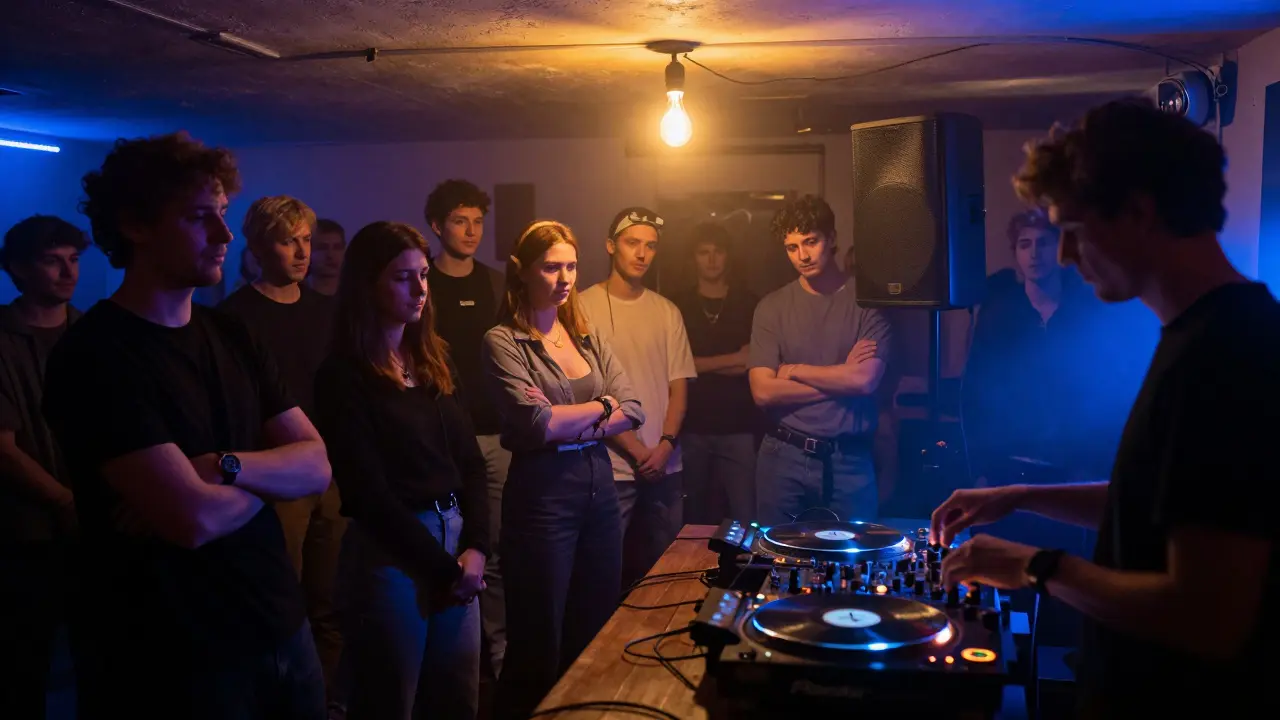
- Techno and Electronic - At Reinsehlen a warehouse-turned-club in the north, known for long, immersive sets from local and international techno artists, expect dark rooms, sub-bass that vibrates your ribs, and sets that last until sunrise. This is where Munich’s underground scene thrives.
- Indie Rock and Alternative - Jazzkeller a cozy, dimly lit basement venue that books rising indie bands from Germany and beyond is your go-to. Bands here rarely tour internationally-they play here because they love the crowd.
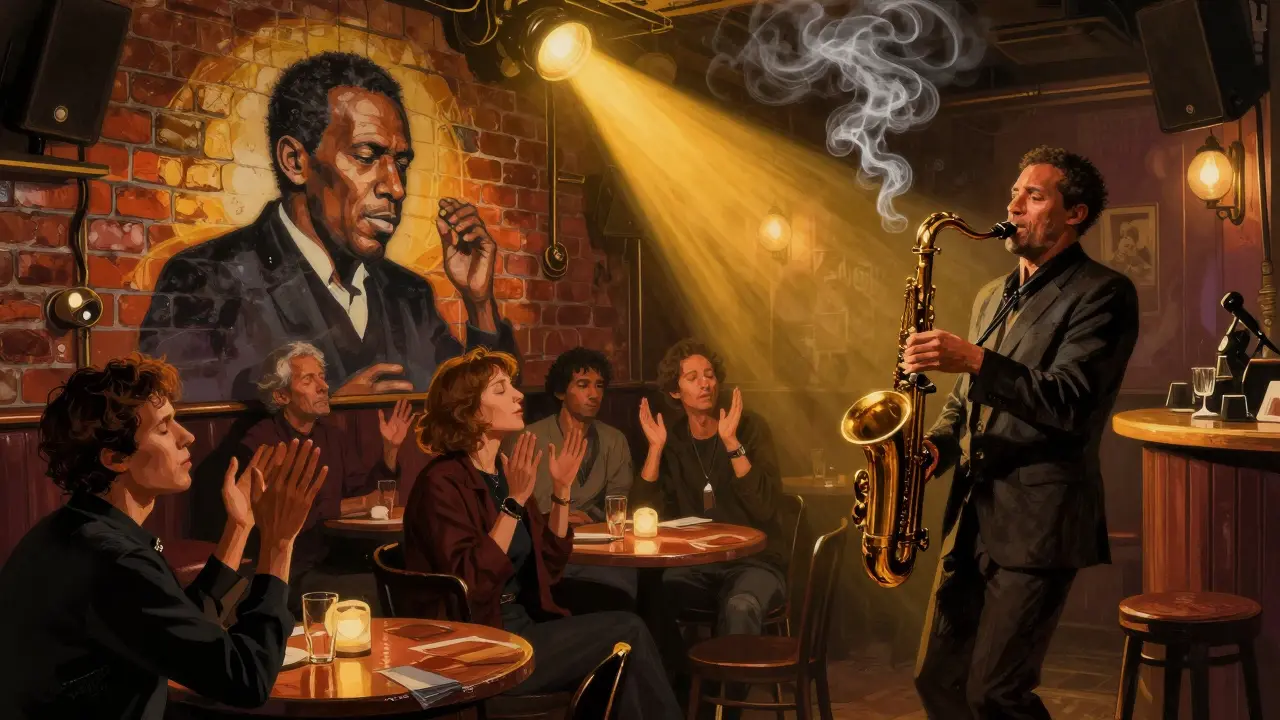
- Jazz and Blues - Jazz Club München a legendary spot in the city center that’s hosted legends like Chet Baker and still draws local legends every Friday night. No flash. Just pure sound.
- House and Disco - Pacha Munich a stylish, upscale club with themed nights and DJs spinning classic disco and deep house brings the glamour. Think velvet couches, mirrored ceilings, and a crowd that dresses up.
- Open Mic and Acoustic Nights - Café Hoppner a quiet café in Schwabing where poets, singer-songwriters, and acoustic guitarists perform on Tuesday nights. Bring a book. Stay for the music.
How to Find the Best Events
You won’t find all the best gigs on Google. Munich’s scene runs on word-of-mouth, posters on café walls, and Instagram stories from people who were there last night.
Start with these:
- Stadt München Events Calendar - The city’s official site lists free concerts, jazz nights, and cultural performances. It’s dry, but reliable.
- Clubber - A local app (not the tourist one) that updates hourly with last-minute sets, surprise guests, and venue changes. Download it. Use it.
- Instagram hashtags - Search #MunichLiveMusic, #MunichDJ, #KantineMunich. People post setlists, photos, and even the names of the DJs. Real-time intel.
- Ask a local - Order a beer at any bar after 9 PM and say, “Where’s the best place to hear something real tonight?” You’ll get five answers. Go to the one that sounds weirdest.
And here’s a tip: Don’t check the lineup before you go. Some of the best nights are surprise ones. A DJ shows up. A band cancels. Someone pulls out a synth and starts playing. That’s when Munich feels alive.
What to Expect When You Go
Arrive before midnight. Most clubs don’t charge cover until then. You’ll get in free, grab a seat, and watch the room fill up. The energy shifts around 1 AM. That’s when the lights dim, the first track drops, and the crowd turns from chatty strangers into a single body moving as one.
You won’t find VIP sections or bouncers checking your ID every five minutes. You’ll find people dancing like no one’s watching-even if they are. You’ll hear someone say, “That’s the track from the Berlin warehouse last winter,” and realize you’re not just at a club. You’re in a shared memory.
Don’t expect loud music everywhere. Some venues keep it quiet, intimate. Others blast until 4 AM. Dress comfortably. Wear shoes you can dance in. Bring a light jacket-some rooms are freezing.
Pricing and Booking
Most live music events in Munich cost between €5 and €15. DJ nights at bigger clubs? €10-€20. Jazz nights? Often free. Open mics? Always free.
Some venues take reservations for tables. Most don’t. You show up. You wait. You find a spot. It’s part of the charm.
Pro tip: If you see a flyer for a “special guest” or “limited capacity,” get there early. These events sell out fast. And yes, cash is still king at many smaller venues. Bring €20 just in case.
Safety Tips
Munich is one of the safest cities in Europe. But nightlife still has its rules.
- Don’t carry large amounts of cash. Use a money belt or keep it in your jacket pocket.
- Stick to well-lit streets after midnight. The Altstadt is safe, but side alleys? Skip them.
- Public transport runs until 1 AM on weekdays and all night on weekends. Use the U-Bahn or S-Bahn. Taxis are expensive.
- Don’t follow strangers into unknown clubs. If a place feels off, walk out. There are 200 others.
- Water is cheap. Drink it. Stay hydrated. The music’s better when you’re not dizzy.
Comparison: Live Music vs. DJ Nights in Munich
| Feature | Live Music | DJ Nights |
|---|---|---|
| Energy Level | Variable-can be intimate or explosive | Consistently high-designed for movement |
| Duration | 1.5-3 hours per set | 3-6 hours, often until sunrise |
| Cost | €5-€15 | €10-€20 |
| Best For | Music lovers who want to hear raw talent | People who want to dance, discover new sounds |
| Typical Venue | Jazzkeller, Cirkus Knie | Kantine, Reinsehlen, Pacha |
| When to Go | Early evening (8-11 PM) | After midnight (1 AM-4 AM) |
Frequently Asked Questions
Is Munich’s nightlife only for party animals?
Absolutely not. Munich’s music scene has room for everyone. You can spend an evening listening to a solo pianist in a quiet jazz bar, then head to a techno warehouse at 2 AM. There’s no pressure to drink, dance, or even talk. Many people just sit, listen, and let the music move them. It’s as much about silence as it is about sound.
Are there any free live music events in Munich?
Yes. Every Thursday at Café Hoppner, local musicians play acoustic sets for free. On weekends, the Volkstheater hosts free outdoor concerts in the summer. The city also sponsors free jazz nights at the Munich Philharmonic courtyard. You just have to show up.
Do I need to speak German to enjoy the music scene?
No. Music doesn’t need translation. You’ll hear bands from Japan, Brazil, and Sweden. DJs from London and Tokyo. The crowd? Mostly international. A smile, a nod, and a raised glass are enough. That said, learning a few phrases like “Wie viel kostet ein Bier?” (How much is a beer?) or “Was läuft heute?” (What’s on tonight?) will make you feel like part of the scene.
What’s the best night of the week for music in Munich?
Friday and Saturday are the busiest, but Wednesday and Thursday are where the magic happens. That’s when DJs test new tracks, bands debut new songs, and locals bring friends who’ve never been before. You’ll find fewer crowds, better sound, and more attention from the artists. If you want to feel like you’re in on a secret, go midweek.
Can I bring my own drinks to a club?
Never. Most venues in Munich have strict policies against outside alcohol. You’ll be turned away at the door. But don’t worry-beer here costs €6-€8, and wine is €7. It’s not cheap, but it’s good. And you’re paying for the experience, not just the drink.
Ready to Experience It?
Don’t wait for a special occasion. Munich’s music scene isn’t something you visit. It’s something you join. Put on your most comfortable shoes. Download Clubber. Ask someone on the street where to go tonight. And let the city surprise you. The best night isn’t the one you planned. It’s the one you didn’t see coming.